Showing posts with label Pancreatic Cancer. Show all posts

Tuesday, May 19, 2026

What Are The Warning Signs of Pancreatic Cancer? The Subtle Signals You Should Never Ignore

I just had a friend and member of my pancreatitis support group pass away due to pancreatic cancer. Before he passed we talked. He was or seemed cheerful and hopeful. I obviously missed something like the fact he had pancreatic cancer which is basically incurable; especially when the docs send you home with a hospice recommendation. 

Mike and I didn't know each other very long nor well. He contacted me about Ivermectin and Fenbendazole. He wasn't on chemo or immunotherapies anymore. Nothing was working. They sent him home to die. I'm not quite sure how he found me and I was too stupid to ask and ...

Since I hate to pry I didn't ask if he was actually giving Iver & Fenben a try. My step sister died on Mother's Day. She had lung cancer. She was on both immunotherpy and Ivermectin. I've read tons of research on Ivermectin and ity's suppose to be a light in the darkness but if Mike was using it I now know two people who have died without being cured buy Ivermectin and Fenbendazole.

Pancreatic Cancer Is Deadly and NOTHING Seems to Help

Pancreatic cancer is a master of disguise. It lurks undetected, hiding behind vague symptoms that most people—and even doctors—might brush off as something minor. By the time it makes itself known, it’s often set up shop in places it shouldn’t. That’s why it’s so deadly, and why knowing the early warning signs can make all the difference.

Let’s dig deep into what you need to watch for, what the science says, and why these symptoms are so easy to miss.

Why Is Pancreatic Cancer So Hard to Catch Early?

The pancreas sits deep in your abdomen, behind the stomach. Tumors here don’t cause obvious lumps or bleeding like some other cancers. Many of its early symptoms are subtle, can mimic common digestive complaints, and may come and go. This cancer also tends to spread early—making time the most precious resource for patients.

The Early Warning Signs (That Most People Overlook)

1. Jaundice (Yellowing of Skin and Eyes)

This is the big red flag. If a tumor blocks the bile duct, bilirubin builds up, turning your skin and the whites of your eyes yellow. Dark urine and pale stools often come with it. Jaundice is painless at first, but it’s rarely ignored for long once it appears. Unfortunately, by the time jaundice shows up, the cancer may already be advanced (Johns Hopkins Medicine).

2. Unexplained Weight Loss

Losing weight without trying is never normal. Pancreatic cancer can mess with your digestion, reduce appetite, or increase energy use. Often, people chalk it up to stress or aging until the pounds keep dropping (American Cancer Society).

3. Upper Abdominal or Back Pain

A dull, nagging pain in the upper abdomen that may radiate to the back is common. It’s not the stabbing pain of a heart attack, but more of an ache that doesn’t go away. It may worsen after eating or when lying down. This happens because tumors press on nerves or organs nearby.

4. New-Onset Diabetes (Especially Without Risk Factors)

Suddenly developing diabetes as an adult—especially if you have no family history or are not overweight—can be a clue. Pancreatic tumors can disrupt insulin production, sometimes years before other symptoms appear (National Cancer Institute).

5. Digestive Problems

Nausea, vomiting, greasy or floating stools, and bloating can occur if the pancreas stops making enough digestive enzymes. This can lead to poor absorption of nutrients, making you feel weak and tired.

6. Loss of Appetite and Early Satiety

Some people notice they feel full after just a few bites, or they simply lose interest in food altogether.

7. Itchy Skin

When bile salts build up under the skin (from a blocked bile duct), it can cause relentless itching—sometimes before jaundice becomes obvious.

Less Common, But Still Serious Signs

  • Blood clots (sometimes the first clue)
  • Acute Pancreatitis (sometimes a first clue)
  • Fatigue that’s not explained by other factors
  • Enlarged gallbladder or liver (sometimes found on imaging for other problems)

When Should You Worry?

Most of these symptoms can be caused by things that aren’t cancer—gallstones, ulcers, even stress. But if you’re experiencing a combination of these warning signs, especially if you’re over 50 or have a family history of pancreatic cancer, don’t wait. Early imaging and blood tests could save your life.

People with chronic pancreatitis, a family history of pancreatic cancer, certain genetic syndromes (like BRCA mutations), or long-standing diabetes are at higher risk and should be especially vigilant.

Why Early Detection Matters

Catching pancreatic cancer early is brutally hard, but it’s not impossible. Survival rates are highest when the tumor is found before it spreads. The challenge is to recognize the pattern of subtle symptoms before it’s too late.

What To Do If You Notice These Symptoms

  • See your doctor—don’t wait and don’t self-diagnose.
  • Ask specifically about pancreatic cancer if you have several red flags.
  • If you have risk factors, mention them.
  • Push for imaging (CT scan, MRI, or endoscopic ultrasound) if symptoms persist without explanation.

Credits

Sunday, April 26, 2026

Is There Any Evidence Ivermectin Kills Pancreatic Cancer

Evidence Ivermectin Kills Pancreatic Cancer

Is There Any Evidence Ivermectin Kills Pancreatic Cancer? I'm sure if you have PC you'd like to know the answer to that question. You'd like to know whether Ivermectin alone, combined with Fenbendazole or in conjunction with regular chemotherapy whether or not it may kill your cancer. I understand.

Few cancers strike fear quite like pancreatic cancer. It’s aggressive, sneaky, and tragically, the odds are stacked against most patients from the start. With new therapies in short supply, it’s no wonder desperate families and even some clinicians have started to wonder: Could an old antiparasitic drug like ivermectin—famous for treating worms and infamous for COVID—actually do anything to stop pancreatic cancer?

Let’s dig into what the science really says.

The Basics: Why Pancreatic Cancer Is So Tough

First, a reality check. Pancreatic cancer is notoriously difficult to treat. Tumors are often found late, are resistant to chemotherapy, and spread quickly. Even the most promising targeted therapies have made only modest dents in survival rates (Ariadne). It’s exactly the kind of disease where people look to repurpose old drugs in hopes of a breakthrough.

What’s the Deal With Ivermectin and Cancer Cells?

Ivermectin grabbed headlines as a dewormer and later as a controversial COVID remedy, but lab scientists have been tinkering with it for cancer for years. In petri dish and animal studies, ivermectin has shown some ability to slow the growth of a variety of cancer cells—including those from breast, colon, and yes, pancreatic tumors. It seems to do this by blocking certain cellular pathways tumors depend on, and sometimes by triggering cancer cells to self-destruct (Taylor & Francis, PMC).

So, What About Pancreatic Cancer Specifically?

The honest answer: there’s very limited direct evidence, and most of it comes from early-stage lab research.

  • Lab Studies: Some studies have shown that ivermectin can slow the growth of pancreatic cancer cells in lab dishes and in animal models. For example, it’s been reported to reduce cell proliferation and even make cells more sensitive to other cancer drugs. It may work by messing with the way cancer cells communicate, grow, and protect themselves from stress (Ariadne, PMC).

  • No Human Data Yet: Here’s the catch: what happens in a dish or a mouse doesn’t always happen in a human. There are currently no published clinical trials or peer-reviewed studies showing that ivermectin improves survival or meaningfully treats pancreatic cancer in actual patients (Drugs.com, Cancer Therapy Advisor).

  • Cautious Interest: The National Cancer Institute and other groups are looking into ivermectin for various cancers, sometimes including pancreatic, but as of now, it’s not an approved or recommended therapy outside of a clinical trial (KFF Health News).

Ivermectin’s effects on pancreatic cancer cells are still being mapped out, but lab and animal studies have uncovered several ways it seems to make life difficult for these tough tumor cells:

1. Disrupts Cancer Cell Growth Pathways

Ivermectin interferes with key signaling pathways inside cancer cells—most notably the WNT/β-catenin and PAK1 pathways. These are like the command centers that help cancer cells grow, divide, and spread. When ivermectin blocks these signals, it can stunt tumor growth and limit the cancer’s ability to invade other tissues (Taylor & Francis, OncoDaily).

2. Triggers Programmed Cell Death (Apoptosis)

Healthy cells self-destruct when something goes wrong, but cancer cells often dodge this fate. Ivermectin appears to push pancreatic cancer cells back toward this natural “suicide” pathway by damaging their mitochondria—the “power plants” of the cell. This triggers a cascade of events that leads the cancer cell to die off (PMC).

3. Blocks New Blood Vessel Formation (Anti-Angiogenesis)

Pancreatic tumors are masters at growing new blood vessels to feed themselves. Some research suggests ivermectin can slow down this process (angiogenesis), which in turn starves the tumor and limits its ability to grow (Taylor & Francis).

4. Helps Overcome Drug Resistance

One of the biggest problems in treating pancreatic cancer is that the tumors often become resistant to chemotherapy. Ivermectin has been shown to inhibit “drug efflux pumps” (like P-glycoprotein) that cancer cells use to spit out chemotherapy drugs. By blocking these pumps, ivermectin can make cancer cells more sensitive to treatment (Ovid).

5. May Target Cancer Stem Cells

There’s early evidence that ivermectin can also go after “cancer stem cells”—those rare, stubborn cells inside a tumor that can regrow the cancer even after treatment. This could be especially important for preventing relapse (Taylor & Francis).

What Do Oncologists Say?

Most cancer specialists are clear: ivermectin is not a magic bullet, and it’s not a substitute for proven treatments. While the lab science is intriguing, it’s not enough to justify using ivermectin for pancreatic cancer patients—outside of tightly controlled research.

The Bottom Line

Ivermectin seems to fight pancreatic cancer cells by blocking growth signals, triggering cell death, starving tumors of blood, making them more sensitive to other drugs, and possibly targeting the most dangerous stem-like cells. But remember—all of this evidence comes from lab and animal studies. Clinical proof in real patients is still missing, so it’s not a standard treatment yet (Ariadne, Drugs.com).

*** If you’re interested in the details or considering experimental treatments, always talk with a cancer specialist.

Again, there’s some experimental evidence that ivermectin can kill or slow the growth of pancreatic cancer cells in the lab. But so far, there’s no solid proof from clinical trials that it works for real people fighting this devastating disease. If you’re in the fight, the best bet is to stick with evidence-based therapies and talk to your oncologist about clinical trials—some of which may someday include drugs like ivermectin, if and when the science catches up.

Credits:

Friday, April 24, 2026

What Links Pancreatitis, Pancreatic Cancer, and Aspirin? The Science, the Hopes, and the Caveats


It’s not every day that a simple over-the-counter pill like aspirin gets tangled up in conversations about two of the most serious pancreatic conditions out there. But here we are — and the science, as usual, is more complicated than it seems at first glance.

Most people know aspirin as the classic go-to for headaches or maybe as a daily preventative for heart attacks. But in the last decade or so, researchers have started asking tougher questions: Could aspirin play a role in the prevention — or even the progression — of diseases like pancreatitis and pancreatic cancer?

Pancreatitis: When the Pancreas Fights Back

Pancreatitis, in plain English, is inflammation of the pancreas. It can hit hard and fast (acute), or smolder for years (chronic), and it’s no joke either way. The symptoms are hard to ignore: severe abdominal pain, nausea, vomiting, and sometimes complications that land you in the hospital. Causes run the gamut from gallstones to alcohol use, but no matter the trigger, the result is the same: the pancreas is angry, and your digestive system pays the price.

Pancreatic Cancer: The Stealthy Killer

Pancreatic cancer is one of those diagnoses everyone dreads. It’s notoriously hard to catch early, and it’s aggressive. The most common type is pancreatic ductal adenocarcinoma, and if you’re looking for good news, well… it’s not great. Five-year survival rates are still in the single digits. What’s even more sobering? Chronic pancreatitis is a known risk factor for developing pancreatic cancer down the line. It’s like one insult to the pancreas can set the stage for another, even more dangerous one.

Where Does Aspirin Fit In?

Here’s where aspirin makes its surprising entrance. Aspirin is a nonsteroidal anti-inflammatory drug (NSAID), and its main trick is blocking certain enzymes (COX-1 and COX-2) that drive inflammation. It’s this anti-inflammatory property that got researchers thinking: if inflammation is at the heart of both pancreatitis and the progression to cancer, could aspirin help?

The Evidence for Aspirin and Pancreatitis

Aspirin isn’t a frontline treatment for pancreatitis — you’d be hard-pressed to find a doctor who prescribes it that way. But some studies have suggested that, by tamping down inflammation, aspirin could potentially reduce the severity of pancreatic injury, at least in animal models. There’s also a practical twist: during procedures like endoscopic retrograde cholangiopancreatography (ERCP), which can sometimes trigger pancreatitis, aspirin has been studied as a preventative measure. Results are promising, but not definitive enough to change guidelines just yet.

Aspirin and Pancreatic Cancer: A Hope and a Warning

This is where things get interesting. Several large population studies have tried to untangle whether long-term aspirin use can reduce the risk of developing pancreatic cancer. Some say yes — at least a modest reduction in risk, especially with consistent, long-term use. The theory is that aspirin’s anti-inflammatory effects might slow down or interrupt the processes that turn chronic inflammation into cancer.

But here’s the kicker: the evidence is mixed. Some studies find no effect. Others raise concerns about risks, like gastrointestinal bleeding, especially in older adults. And in people who already have cancer, the data is even thinner. Aspirin is no magic bullet.

The Bottom Line

Are pancreatitis, pancreatic cancer, and aspirin connected? Absolutely — but the relationships are complicated, and the science isn’t settled. Aspirin’s role in inflammation makes it a tempting candidate for prevention research, but at this point, it’s not a proven tool for stopping either pancreatitis or pancreatic cancer.

If you’re thinking about taking aspirin for any reason beyond your doctor’s advice, talk to them first. The risks, especially with long-term use, aren’t trivial.

Science is messy, especially when it comes to the pancreas. But it’s also hopeful — and that’s worth remembering.


Credits and Further Reading:

  • American Cancer Society. "Risk Factors for Pancreatic Cancer."
  • National Institute of Diabetes and Digestive and Kidney Diseases. "Pancreatitis."
  • Walker, EJ et al. "Aspirin use and pancreatic cancer risk: a review of the literature." Cancer Causes & Control (2022).
  • Liao, WC et al. "Aspirin use and risk of pancreatitis after endoscopic retrograde cholangiopancreatography." Gastroenterology (2013).

Sunday, December 2, 2012

Quercetin Kills Pancreatic Cancer Cells in Mice

quercetin kill pancreatitc cancer cells
The fact that research now suggests that a natural anitoxidant, quercetin, kills pancreatic cancer cells in mice is extremely promising because many times what works in rodents turns out to work in us humans as well. And ...

Sometimes natural therapies, especially antioxidants, work so well that they get swept under the rug here in the USA. In fact the FDA and FTC go all gestopo and ban marketers or companies from selling or mentioning benefits (EVEN WHEN RESEARCH PROVES IT) because the globalists can't make any money with natural products but that is another story. However ...

It is my gut feeling that you'll soon need to have your doc write you a prescription for vitamin C in order to get it and then, something that is now totally safe when manufactured by the private wellness industry will become toxic and kill you when manufactured by the Big Pharma companies. But lets continue with this post on quercetin.

Does quercetin kill pancreatitc cancer cells?


I don't know.

I'm just a guy who reads a lot :-)

But in the exact words of this article abstract published September 20, 2012 in Pancreas it states and I quote "Results: Quercetin inhibited the growth of pancreatic cancer cell lines, which was caused by an induction of apoptosis."

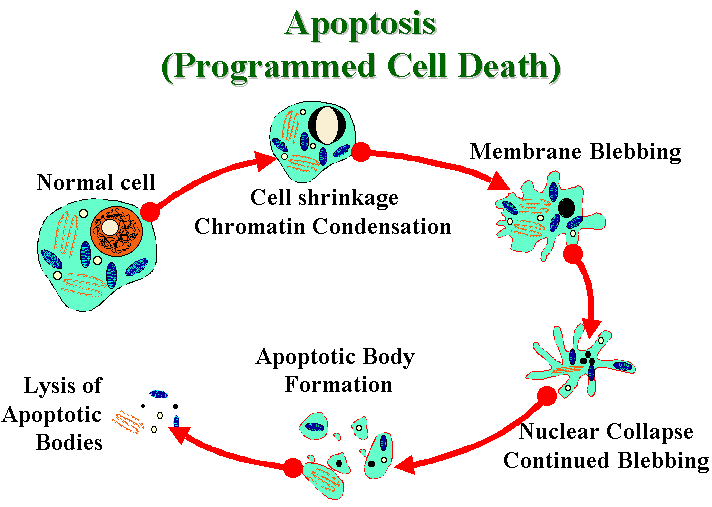
What is apoptosis?

Apoptosis is programmed cell death. In the case of the above article abstract on quercetin it means programmed pancreatic cancer cell death.

That is pretty exciting considering that nothing orthodox medicine does for pancreatic cancer victims kills pancreatic cancer cells.

quercetin
Quercetin is a flavonoid found in fruits vegetables and grains.

Some foods such as tea, capers, lovage, apples and red onions are extremely rich in quercetin.

The fact that there is strong evidence that quercetin kills pancreatic cancer cells is HUGE simply because as I have mentioned before in a previous post regarding pancreatic cancer conventional therapy is almost useless in most cases and ...

Since inflammation from chronic pancreatitis increases our risk for pancreatic cancer it just shouts another reason why consuming green tea, capers, apples and red onion is a very good idea and none of those foods should be inflammatory towards your pancreas.

Maybe this is why mom used to say eat your apple and the word on the street was "an apple a day keeps the doctor away." So the next time you go shopping make sure you pick up some nice, sweet, juicy, apples (fuji, honey crisp, pink lady apples are my favorites) and munch away!

You may also want to find some decaf green tea, red onions (add them to beans, rice, veggies) and capers (add them to your fish dish) and start enjoying the benefits of quercetin. If you want a larger amount of quercetin it is available in supplements too.

Jarrow Formulas Quercetin 500mg

Saturday, October 20, 2012

Pancreatic Cancer: What Can You Do to Lessen the Risk?

pancreatic cancer
This series on pancreatic cancer or cancer of the pancreas is not intended for the world at large. It is meant mainly for those who have been diagnosed with and still suffer from chronic pancreatitis because ...

As I mentioned in my previous post chronic pancreatitis increases the risk of pancreatic cancer. I have found through research that the culprit is the inflammation associated with chronic pancreatitis, I shared that also in the previous post and it is something you need to be aware of yet this is in no way intended to create fear; only awareness because ...

Cancer of the pancreas is insidious and hard to diagnose quickly because many of the symptoms are those you may already have with chronic pancreatitis. But that is NOT the only bad news concerning cancer of the pancreas. The worst is yet to come.

Pancreatic cancer is aggressive, persistent and does NOT respond to current medical protocols such as chemotherapy or radiation. The ONLY chance of survival seems to be with complete elimination of the cancer via surgery and surgery isn't a guarantee. If the cancer has metastasized (spread to lymph nodes or other organs) life expectancy is usually quite short with inoperable pancreatic cancer life expectancy measured in months.

Watch the follow videos and learn.


Part 2

Visit this site for indepth information on cancer of the pancreas.

Since inflammation of the pancreas is one of the risk factors of pancreatic cancer it seems obvious that whatever one can do to eliminate the inflammation should be done not only to lessen the risk of cancer but to also lessen the pain associated with chronic pancreatitis. So ...

Learn HOW to eliminate the inflammation!

The TWO most beneficial ways to fight inflammation in your pancreas, possibly heal your pancreas and/or lessen your chronic pancreatitis symptoms is to eat a highly anti-inflammatory diet and consume supplements that fight inflammation.

The interesting thing to note is that the supplements I use to fight inflammation in my pancreas also create apoptosis, programmed cancer cell death in some cancers but I could find no proof via studies that suggest they create pancreatic cancer cell death. Pancreatic cancer doesn't seem to die and so the best offense in this case seems to be a strong defense by honing in on the elimination of risk factors such as smoking (stop if you do), refined sugar consumption (sugar feeds cancer cells) and eliminate as much of your pancreas inflammation as possible.

Pancreatitis Diet

Foods That Fight Pancreas Inflammation

Pancreatitis Supplements

Aspirin May Lower Risk of Pancreatic Cancer

Friday, October 12, 2012

Pancreatic Cancer: Chronic Pancreatitis Increases Risk

chronic pancreatitis and pancreatic cancer
Unfortunately those who suffer from long-term chronic pancreatitis also have increased risk of dying
due to pancreatic cancer. So ...

What can YOU do to lessen the risk of pancreatic cancer since you have been diagnosed with chronic pancreatitis?

In order to completely understand what YOU can do to lessen your risk of pancreatic cancer you must first understand what may be the #1 initiator.

What is that initiator?

Chronic inflammation.

Chronic inflammation is linked to cancer, strongly linked.

In fact here is new evidence that backs up what I just said: Inflammation enhances pancreatic cancer cell progression and if this article isn't enough evidence for you here's another: Link Between Inflammation and Pancreatic Cancer Discovered

When someone is diagnosed with chronic pancreatitis what does that mean?

It means that person suffers from chronic pancreas inflammation doesn't it? Of course it does because pancreatitis is an inflammation of the pancreas. That is why long-term chronic pancreatitis is an increased risk factor for pancreatic cancer. But ...

Don't take my word for it here is more evidence that chronic pancreatitis is in fact a precursor for pancreatic cancer: Inflammation and Cancer V. Chronic pancreatitis and pancreatic cancer

Now that you probably understand your increased risk for pancreatic cancer you may be even more inclined to do what it takes to prevent your chronic pancreatitis from escalating into pancreatic cancer but how, exactly, do you do that?

You need to stop or at least control the inflammation.

That is easier said than done for most people because ...

In order to stop the inflammation you are going to need to do things that you either don't want to do or find extremely difficult such as adhering to a completely pancreas friendly diet (a true pancreatitis diet), stop drinking and/or ingesting alcohol in any form and ...

Unfortunately there are those people who suffer from chronic pancreatitis due to underlying health conditions that are beyond their control such a cystic fibrosis, hyperlipidemia, autoimmune disease, and genetic conditions (hereditary pancreatitis). These conditions make it far more difficult to eliminate the inflammation, in the case of CF it's impossible due to the necessary CF diet. In cases of chronic pancreatitis challenged by an underlying disease or condition the most you may be able to do is to control the inflammation as much as possible.

I don't have all the answers.

There are many people who suffer with underlying conditions such as cystic fibrosis that simply won't respond to a hard core pancreatitis diet, in fact, in the case of cystic fibrosis what I do personally would probably kill a cystic fibrosis patient because the diet they have to eat in order to ward off some of the symptoms and challenges of CF is definitely NOT friendly to a damaged pancreas, but, they have no choice.

CF patients are screwed.

The rest of us have a chance, hope and a light at the end of the tunnel.

In my next post I'll address what YOU can do to lessen your risk of pancreatic cancer and of course heal your pancreas as mush as possible. Until then ...

Have a pain free day!


Tuesday, February 21, 2012

Levels of CA 19-9 Predicts Pancreatic Cancer Outcome


The levels of the protein CA 19-9 in the blood can be used to help diagnose pancreatic cancer, predict out come after surgery and determine an overall prognosis. 

That is kinda laughable, the prognosis part, because statistically pancreatic cancer is a death sentence. There are two types of cancer that can be resected and then regrow! Small bowel cancer is one, the other is pancreatic cancer. Anyway ...

This is gonna be a very short post cuz you can read all about here

Unfortunately those with long-standing chronic pancreatitis are at higher risk for pancreatic cancer than the general population. 

It should also to be pointed out that CA 19-9 blood levels can also be elevated because of pancreatitis so just because your levels are elevated it doesn't necessarily mean you have pancreatic cancer. Just thought I'd throw that in so ya'll don't run to the doc asking him/her to test your CA 19-9 levels however ...

If you have had long-term chronic pancreatitis it may not be a bad idea to chat with your doc about the possibility of cancer and the benefits of checking CA 19-9.

Thursday, February 16, 2012

Diagnosed with Idiopathic Pancreatitis?

idiopathic means stupid lazy doctor

If your diagnosis is idiopathic pancreatitis you may want to do some research in order to discover why you may have pancreatitis. Sometimes the only thing that is idiopathic is the diagnosis.

When I was finally diagnosed (after 14 doctors) both my doctor and I thought it may have been caused by trauma from a football injury but 2 years ago I was diagnosed with Celiac Disease. Now that sheds a whole new light on a possible reason I had so many recurrent acute pancreatitis episodes because ...

Celiac Disease is strongly associated with pancreatitis. Autoimmune diseases such as Lupus, RA, Ulcerative Colitis, Crohn's, Sjorgren's, Celiac Disease and several others all cause acute pancreatitis.

The thing about autoimmune pancreatitis is that it is often misdiagnosed as pancreatic cancer due to raised levels of the same antibody, IgG4. And it can also look very similar on CT scans.

What I am getting at in a round-about-way is that your diagnosis of idiopathic pancreatitis may in fact actually be autoimmune pancreatitis or at the very least pancreatitis associated with an autoimmune disease such as Celiac Disease, Sjogren's Syndrome, Crohn's Disease, Ulcerative Colitus, Lupus, etc ... whether diagnosed or not but especially if you've been diagnosed with a suspect autoimmune disease.

You may want or need to do some reading.

The article on autoimmune diseases that are associated with pancreatitis is NOT finished yet, in fact neither of the above are totally complete but the one on autoimmune disease and pancreatitis will be an ongoing effort because there are a lot of AID's to research!

Then you may wish to have your doctor test you for an appropriate autoimmune disease in order to discover the real reason you may have pancreatitis if you do not have a definitive diagnosis that points to alcohol or gallstones or some inherited genetic variant.

Just a thought.

Wednesday, January 25, 2012

Pancreatitis, Pancreatic Cancer and Aspirin

aspirin, pancreatitis, and pancreatic cancer

Those of us who suffer with pancreatitis, especially those with chronic pancreatitis, also enjoy an increased risk of cancer of the pancreas aka pancreatic cancer. 

One of the reasons I use aspirin to relieve pain and inflammation is that it seems to be safer than other NSAIDs because it doesn't cause heart attacks. However ...

There may be another good reason for those of you still in pain to use aspirin to relieve the pain by reducing the inflammation within the pancreas. 

According to a new study aspirin may reduce the risk of pancreatic cancer. I am not going to go into the whole thing because you can read about it in several different places online. You can read about it via an article published in Science Daily last April right here: Aspirin May Lower the Risk of Pancreatic Cancer

Nothing is conclusive but hey - a little lower risk of developing pancreatic cancer may be a good thing right? In any event the article is interesting :-)